It’s one of those internet claims that seems too strange to be true — and that’s because it isn’t. Every so often, a quote circulates online claiming that Julius Caesar wrote the Gauls “had more interest in each other than in their women.” It sounds like a juicy bit of ancient gossip, but there’s a problem: Caesar never said that.
Let’s untangle where this rumour came from, what the ancient sources actually say, and how attitudes toward same-sex relationships have changed since Caesar’s day.
Caesar’s Writings Contain No Such Remark

In De Bello Gallico (The Gallic War), Julius Caesar described the customs of the Gauls and Germans during his campaigns of the 50s BCE. His focus was on warfare, alliances, and politics — not personal relationships.
There is no passage anywhere in his writings suggesting that Gallic men preferred men over women. The closest he comes to discussing morals or sexuality is in Book 6, chapter 21, where he talks about the Germans, not the Gauls:
“The men make no use at all of wine or of any other luxuries. They regard this as a great means to preserve their strength: the more a man is considered fit for war by his age, the more followers he keeps about him. They are men of very tall stature, immense strength, and fierce spirit.”
In other words, Caesar described tough, sober warriors — not romantic Gauls!
The Source of the Confusion: Diodorus Siculus
The only ancient author who ever mentioned same-sex relationships among Celtic peoples was Diodorus Siculus, a Greek historian who lived a generation after Caesar. Writing in the Bibliotheca Historica (Book 5, c. 32), he said:
“The Celts are fond of their own sex and openly seek the company of young men, which they consider honorable.”
That line — written about “Celts” in general, not Gauls specifically — probably comes from earlier Greek sources such as Poseidonius, who never visited Gaul himself. Ancient Greek writers often described foreign peoples through stereotypes, mixing admiration, moral judgment, and imagination.
So, the online rumour likely grew out of a mix-up: someone confused Diodorus’ report about Celts with Caesar’s account of Gaul, and a false “Caesar quote” was born.
What the Evidence Really Shows
If we stick to facts, here’s what we know:
- Caesar: Never mentions same-sex relations among Gauls.
- Diodorus Siculus: Says some Celts admired male companionship, but offers no proof.
- Archaeology: Provides no sign of institutionalized same-sex customs in Iron Age Gaul.
- Modern scholars (Barry Cunliffe, Miranda Aldhouse-Green, Peter Berresford Ellis): Generally agree Diodorus’ account reflects Greek moral commentary rather than Celtic reality.
In short, there’s no historical evidence that the Gauls collectively favored same-sex relationships — only a centuries-old misunderstanding that keeps resurfacing online.
From Ancient Judgment to Modern Acceptance
In Caesar’s time, Roman society didn’t divide people into “straight” and “gay” as we do today. Sexual behavior was often viewed through social status and power, not gender preference. The Gauls, who left no written records, can’t speak for themselves — but it’s safe to say they probably had the same range of human experiences as any society.
Today, we tend to view love and attraction as personal and equal — an idea that would have seemed strange in the rigid hierarchies of ancient Rome. If anything, our modern openness makes it easier to see how ancient rumors like this one say more about Roman and Greek attitudes than about the Gauls themselves.
So What Did the Gauls Really Like?
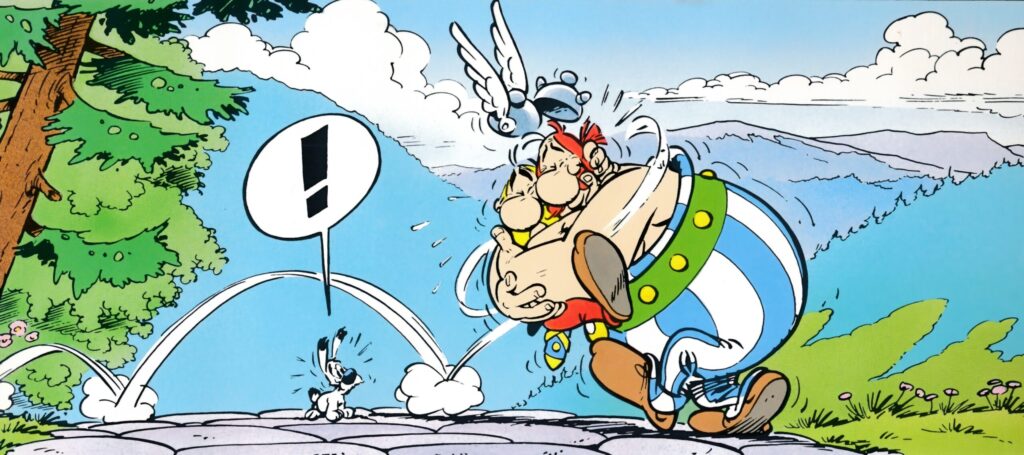
If Asterix is to be believed, the Gauls liked a good banquet, a bit of boar, and the occasional Roman-bashing far more than debating social norms. And while Caesar may have had plenty to say about their bravery, stubbornness, and love of freedom, he never accused them of anything more scandalous than that.
In conclusion: the idea that Julius Caesar wrote about Gallic same-sex relations is pure fiction. The rumour likely sprang from a misreading of Diodorus Siculus, mixed with centuries of retelling. The real Caesar’s Gauls were warriors, farmers, and storytellers — and whatever their private lives were like, he didn’t write a word about them.


It’s one of those internet claims that seems too strange to be true — and that’s because it isn’t. Every so often, a quote circulates online claiming that Julius Caesar wrote the Gauls “had more interest in each other than in their women.” It sounds like a juicy bit of ancient gossip, but there’s a problem: Caesar never said that.
Let’s untangle where this rumour came from, what the ancient sources actually say, and how attitudes toward same-sex relationships have changed since Caesar’s day.
Caesar’s Writings Contain No Such Remark
In De Bello Gallico (The Gallic War), Julius Caesar described the customs of the Gauls and Germans during his campaigns of the 50s BCE. His focus was on warfare, alliances, and politics — not personal relationships.
There is no passage anywhere in his writings suggesting that Gallic men preferred men over women. The closest he comes to discussing morals or sexuality is in Book 6, chapter 21, where he talks about the Germans, not the Gauls:
“The men make no use at all of wine or of any other luxuries. They regard this as a great means to preserve their strength: the more a man is considered fit for war by his age, the more followers he keeps about him. They are men of very tall stature, immense strength, and fierce spirit.”
In other words, Caesar described tough, sober warriors — not romantic Gauls!
The Source of the Confusion: Diodorus Siculus
The only ancient author who ever mentioned same-sex relationships among Celtic peoples was Diodorus Siculus, a Greek historian who lived a generation after Caesar. Writing in the Bibliotheca Historica (Book 5, c. 32), he said:
“The Celts are fond of their own sex and openly seek the company of young men, which they consider honorable.”
That line — written about “Celts” in general, not Gauls specifically — probably comes from earlier Greek sources such as Poseidonius, who never visited Gaul himself. Ancient Greek writers often described foreign peoples through stereotypes, mixing admiration, moral judgment, and imagination.
So, the online rumour likely grew out of a mix-up: someone confused Diodorus’ report about Celts with Caesar’s account of Gaul, and a false “Caesar quote” was born.
What the Evidence Really Shows
If we stick to facts, here’s what we know:
- Caesar: Never mentions same-sex relations among Gauls.
- Diodorus Siculus: Says some Celts admired male companionship, but offers no proof.
- Archaeology: Provides no sign of institutionalized same-sex customs in Iron Age Gaul.
- Modern scholars (Barry Cunliffe, Miranda Aldhouse-Green, Peter Berresford Ellis): Generally agree Diodorus’ account reflects Greek moral commentary rather than Celtic reality.
In short, there’s no historical evidence that the Gauls collectively favored same-sex relationships — only a centuries-old misunderstanding that keeps resurfacing online.
From Ancient Judgment to Modern Acceptance
In Caesar’s time, Roman society didn’t divide people into “straight” and “gay” as we do today. Sexual behavior was often viewed through social status and power, not gender preference. The Gauls, who left no written records, can’t speak for themselves — but it’s safe to say they probably had the same range of human experiences as any society.
Today, we tend to view love and attraction as personal and equal — an idea that would have seemed strange in the rigid hierarchies of ancient Rome. If anything, our modern openness makes it easier to see how ancient rumors like this one say more about Roman and Greek attitudes than about the Gauls themselves.
So What Did the Gauls Really Like?
If Asterix is to be believed, the Gauls liked a good banquet, a bit of boar, and the occasional Roman-bashing far more than debating social norms. And while Caesar may have had plenty to say about their bravery, stubbornness, and love of freedom, he never accused them of anything more scandalous than that.
In conclusion: the idea that Julius Caesar wrote about Gallic same-sex relations is pure fiction. The rumour likely sprang from a misreading of Diodorus Siculus, mixed with centuries of retelling. The real Caesar’s Gauls were warriors, farmers, and storytellers — and whatever their private lives were like, he didn’t write a word about them.