For João Carlos, a 62-year-old lawyer residing in S. João da Madeira, Portugal, a lifelong fascination with the world of Gaulish warriors can be traced back to a single, transformative gift. In the year 1974, his older cousin handed the ten-year-old João a Portuguese translation of Asterix in Britain, promising him a magnificent read. The promise held true. Captivated by the narrative, the young João read the album nearly five times in quick succession. As he grew into adulthood, his appreciation deepened, allowing him to unlock the brilliantly crafted subtext and linguistic wordplay of writer René Goscinny. While he views the lovable Obelix as the undeniable heart and soul of the series’ finest gags, João finds it difficult to pick just one favorite story. Instead, he points to Asterix in Britain, Asterix in Corsica, Asterix the Legionary, and Asterix and Cleopatra as undisputed masterworks within the deeply cherished franchise.
What began as a steady, casual accumulation of Portuguese comic editions and scattered merchandise eventually evolved into a highly structured archiving project. The profound loss of artist Albert Uderzo served as a significant catalyst for this shift, prompting João to take a more systematic approach to his passion. This curatorial momentum reached its current monumental scope alongside contemporary releases like The White Iris and the 41st album, Asterix in Lusitania. Today, João’s meticulously curated collection is substantial, comprising approximately 500 books, expansive magazine holdings that include around 750 individual issues of Pilote hebdomadaire, and roughly 500 distinct artifacts ranging from promotional posters to merchandise. This vast inventory rests upon three foundational pillars, each representing a different facet of the Asterix phenomenon.
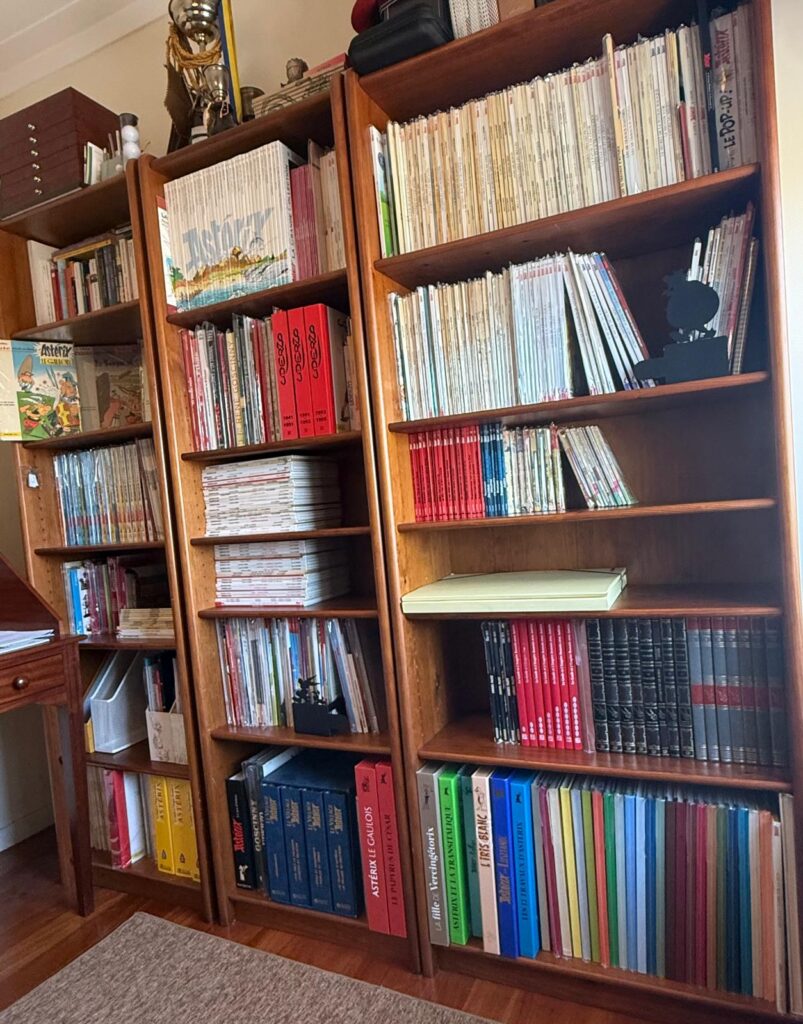
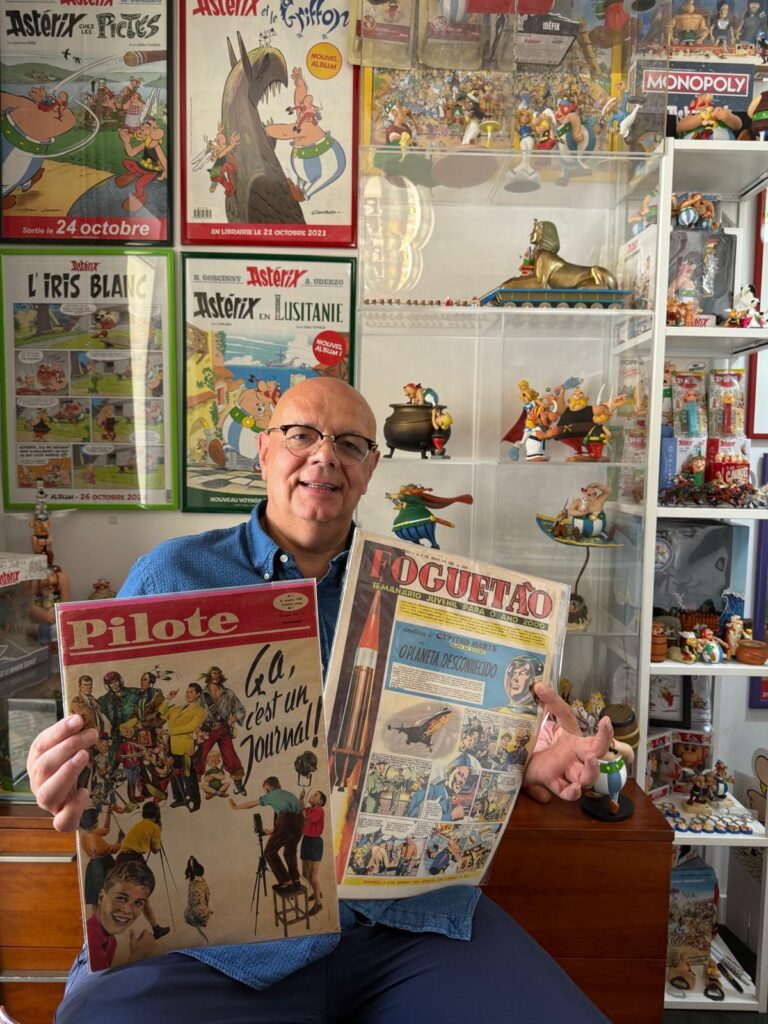
The first pillar centers entirely on the original literary works. Over the years, João has successfully gathered all the first French editions, spanning from the early and highly sought-after “dos blanc” Pilote runs to the classic “au menhir” editions. This literary archive also encompasses a wide array of Portuguese and Mirandese translations, exclusive luxury artbooks, and complete vintage magazine runs. Notably, this includes a complete set of the Portuguese weekly Foguetão, a publication that began serializing Asterix the Gaul in May 1961, bringing the Gaulish hero to Portuguese readers before the very first album had even debuted in France.
The second pillar is an ambitious homage to the franchise’s international merchandising explosion. João is on a relentless quest to acquire every promotional object advertised across his extensive run of 1960s French Pilote magazines. Remarkably, he is only three or four items away from completing this decades-long hunt.
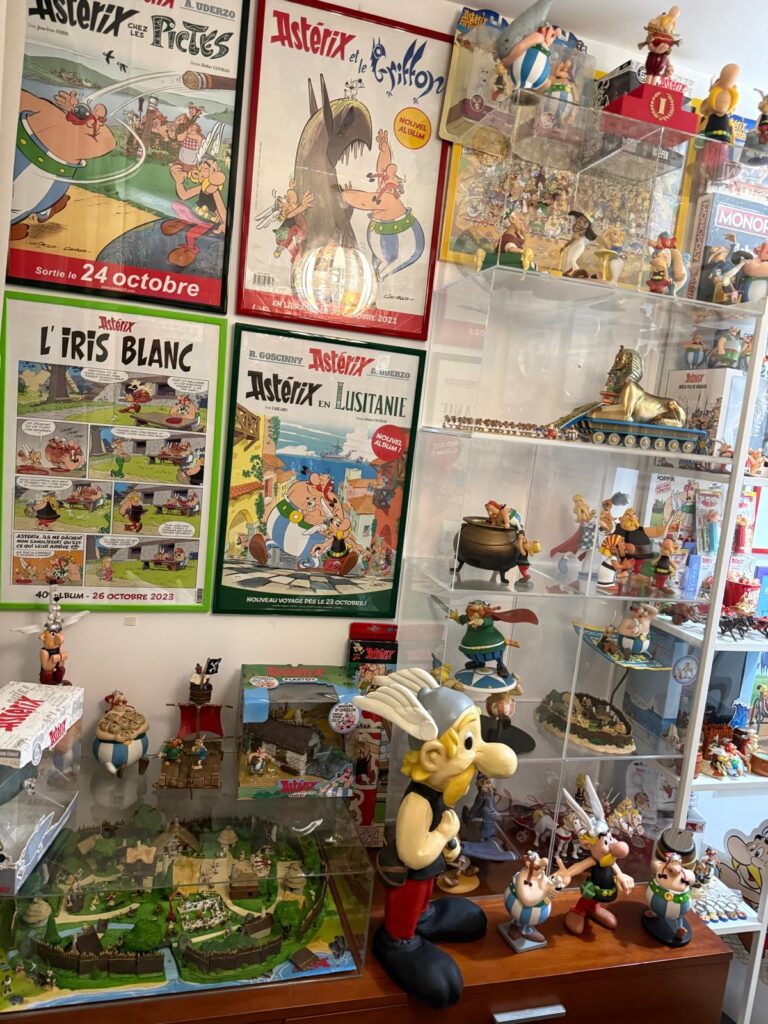
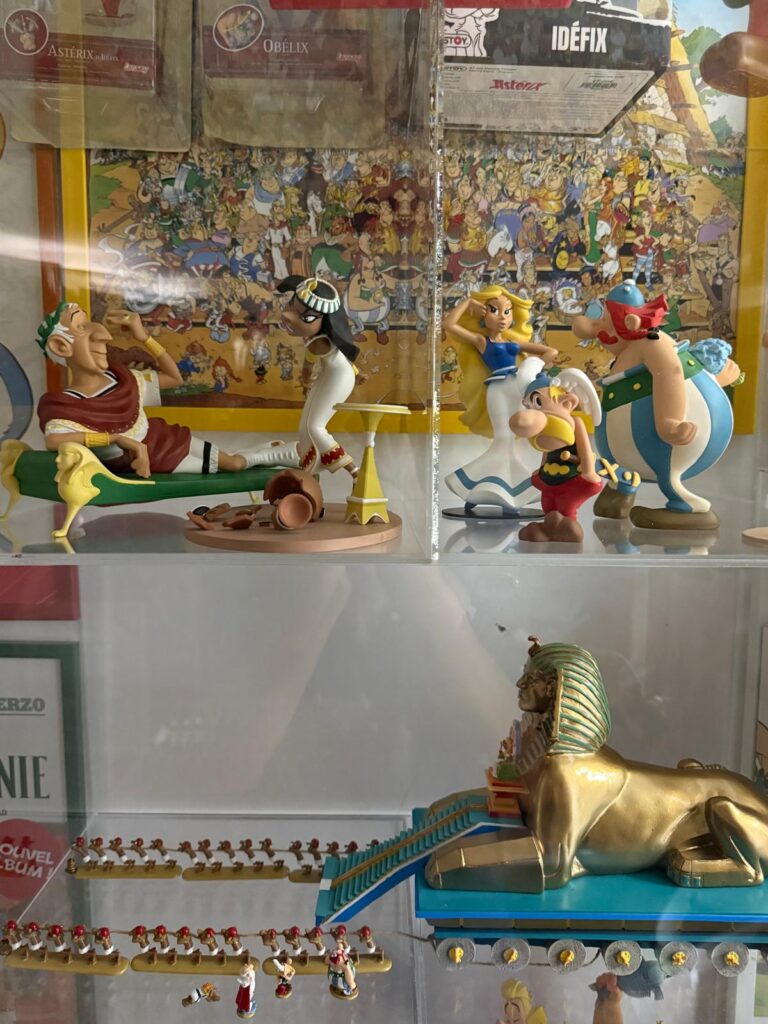
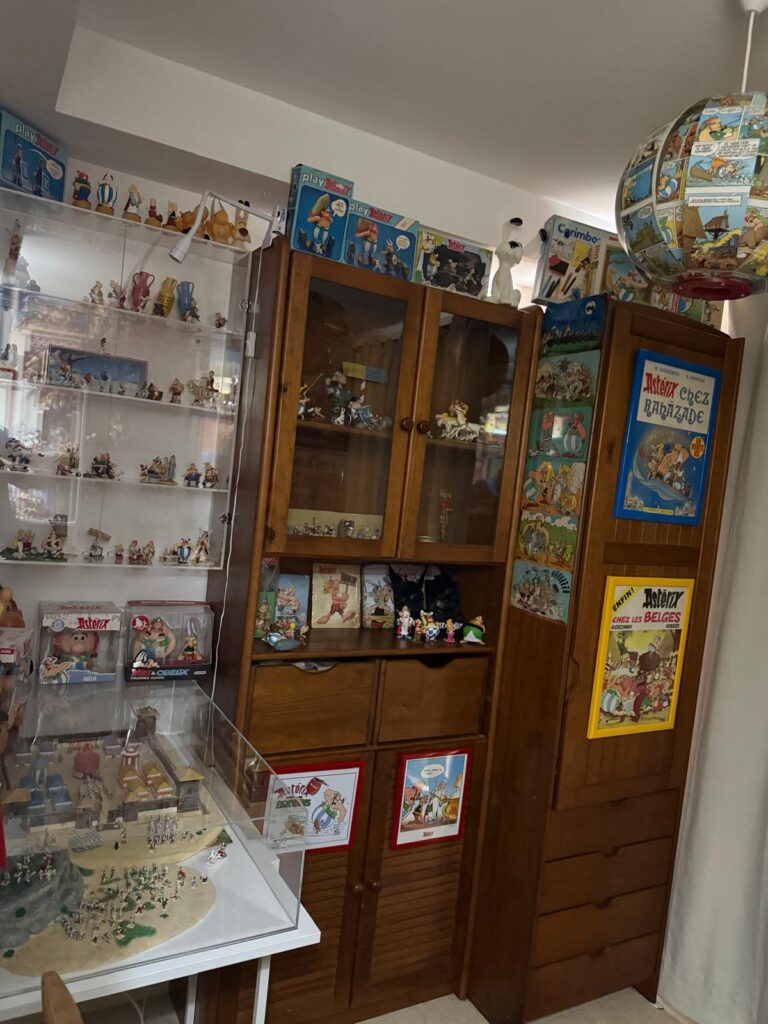
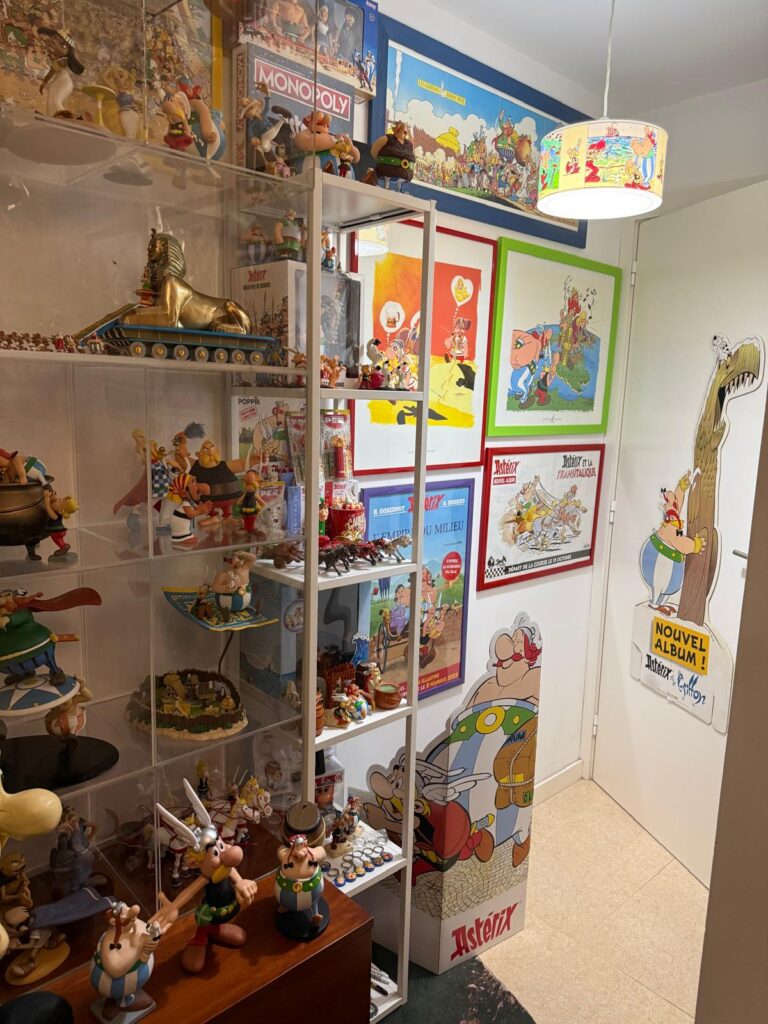
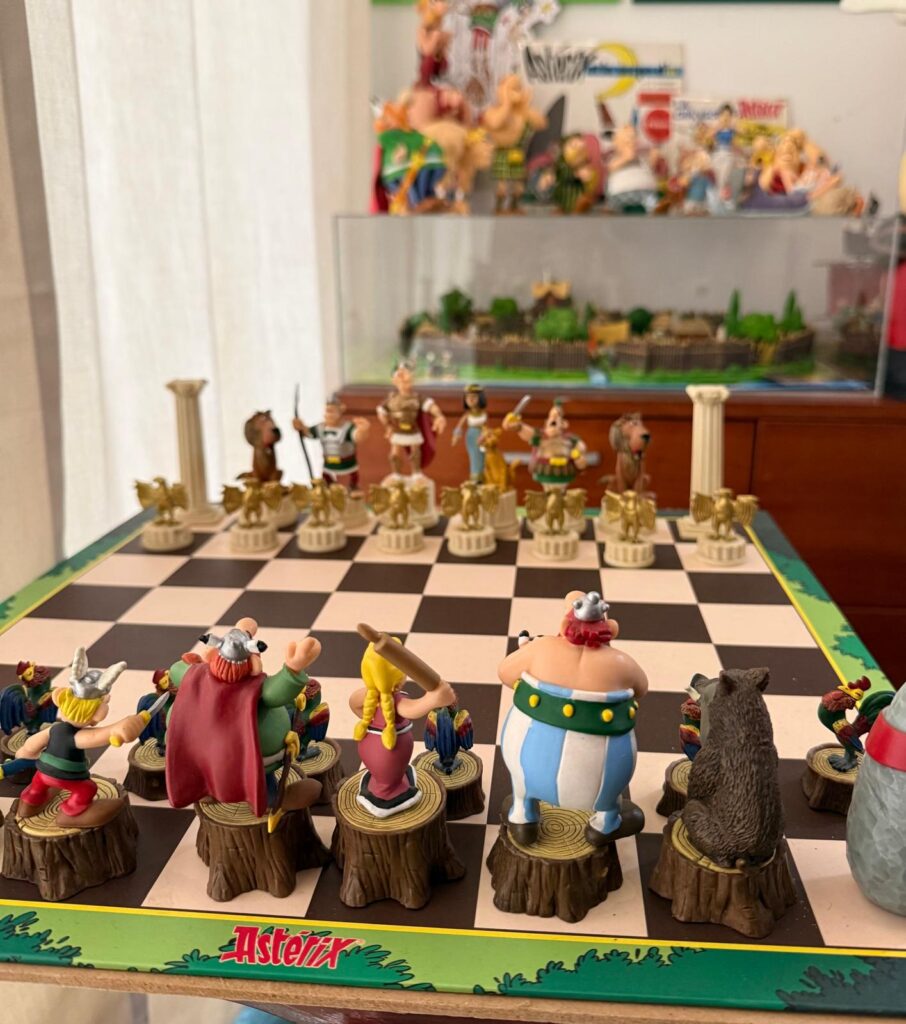
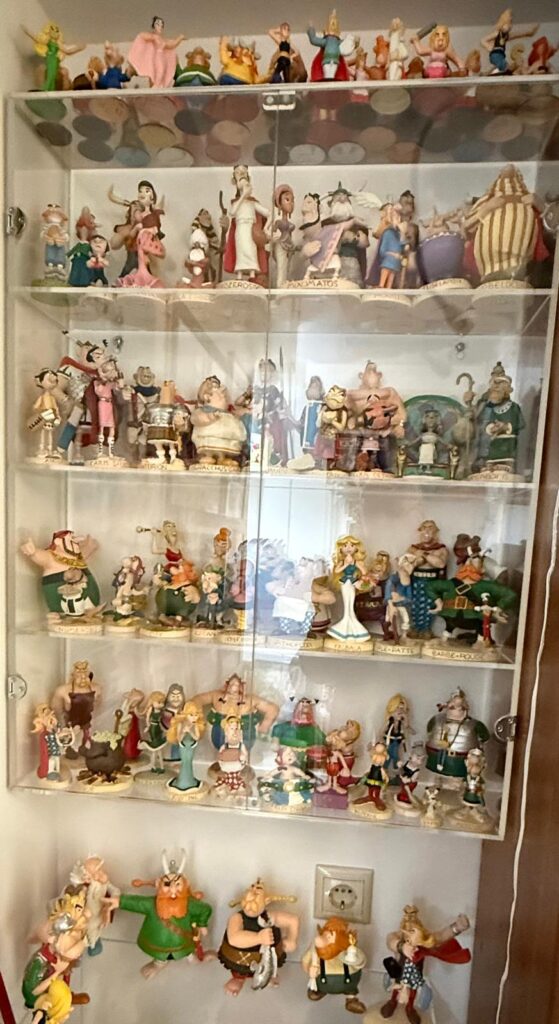
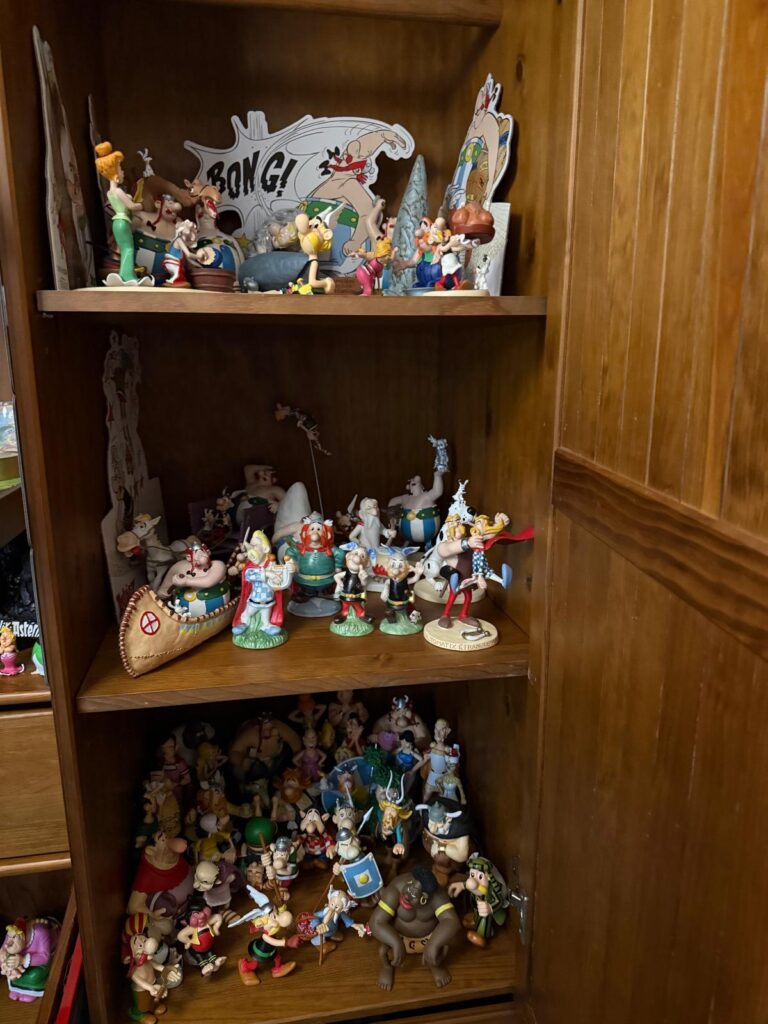
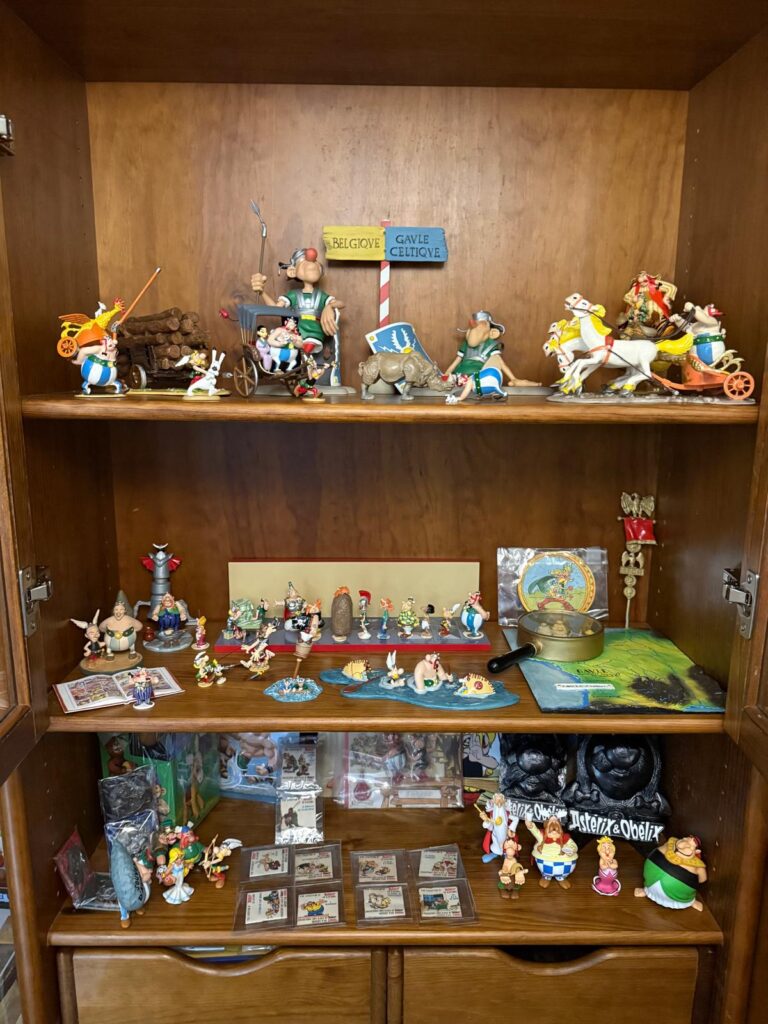
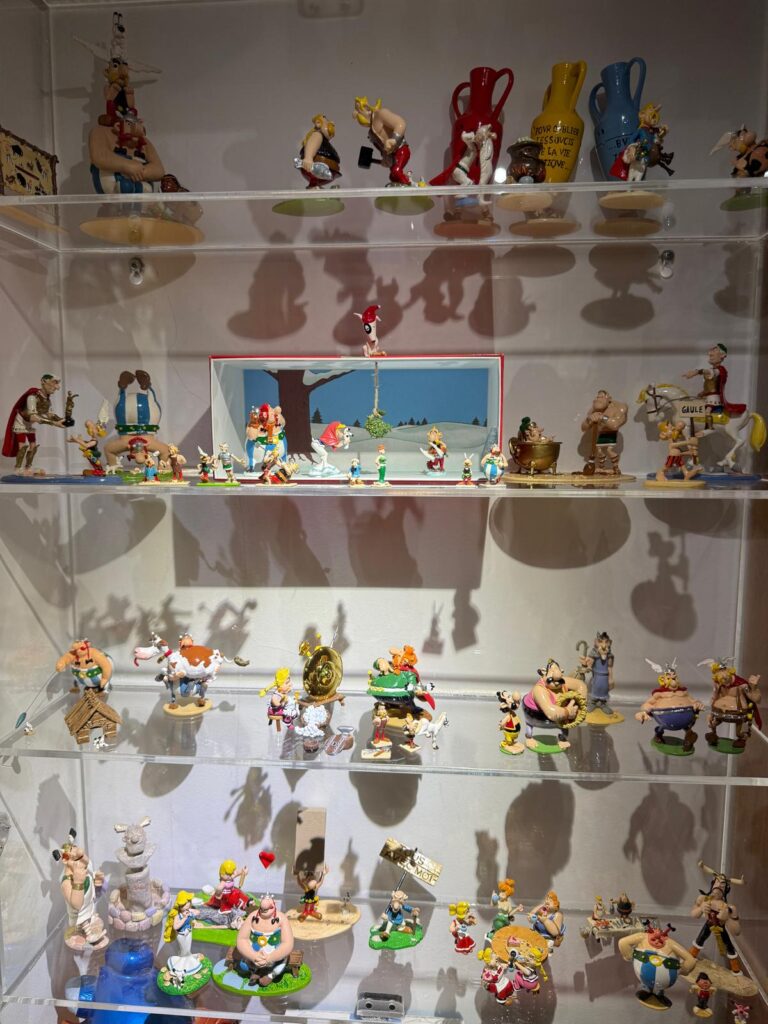
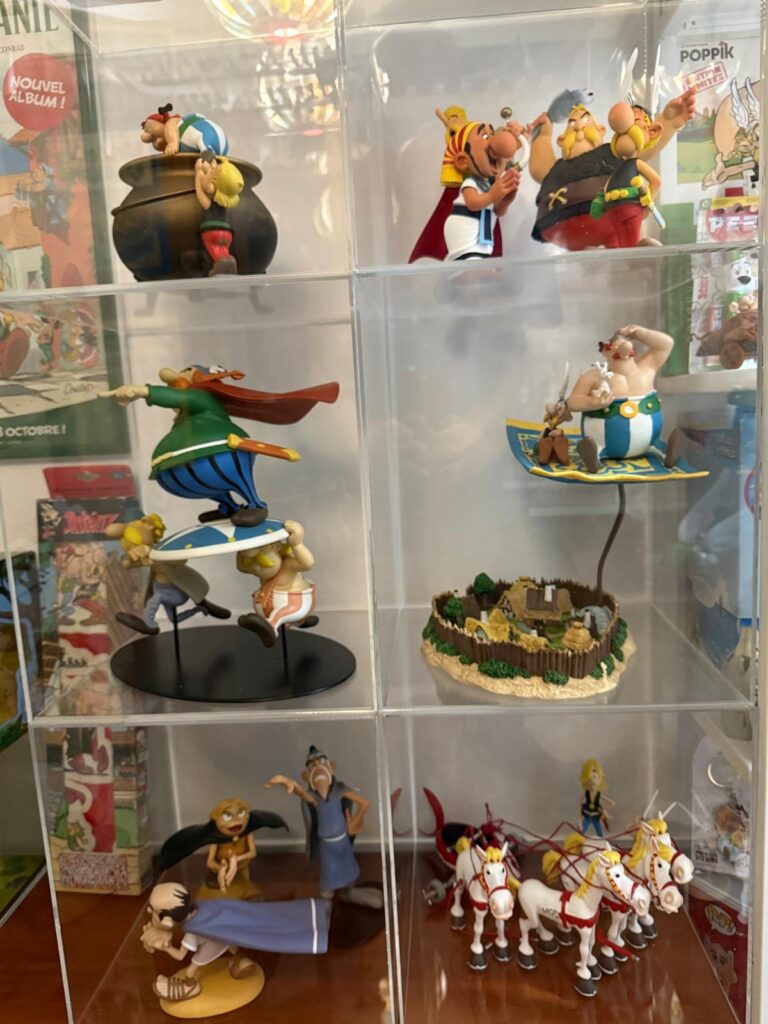
The final pillar embraces the tridimensionality of the series, bringing the iconic 2D line art into the physical world through intricate figures from makers like Plastoy, PIXI, and Leblon-Delienne. Rather than keeping this extensive physical archive locked away behind closed doors, João actively shares his curatorial journey with the global community. He frequently posts beautifully detailed photographs of his roughly 500 artifacts and display setups on Facebook. By engaging with fellow enthusiasts on both his personal profile and within dedicated Asterix fan groups, he ensures the magic of his collection can be appreciated far beyond his home in Portugal.
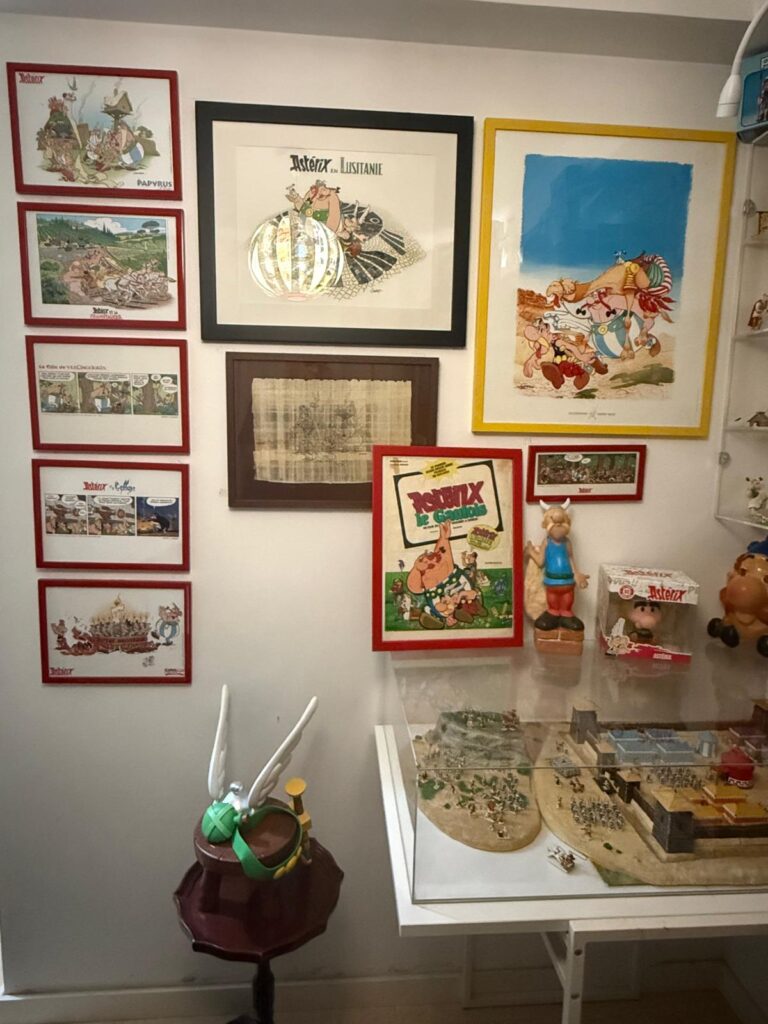
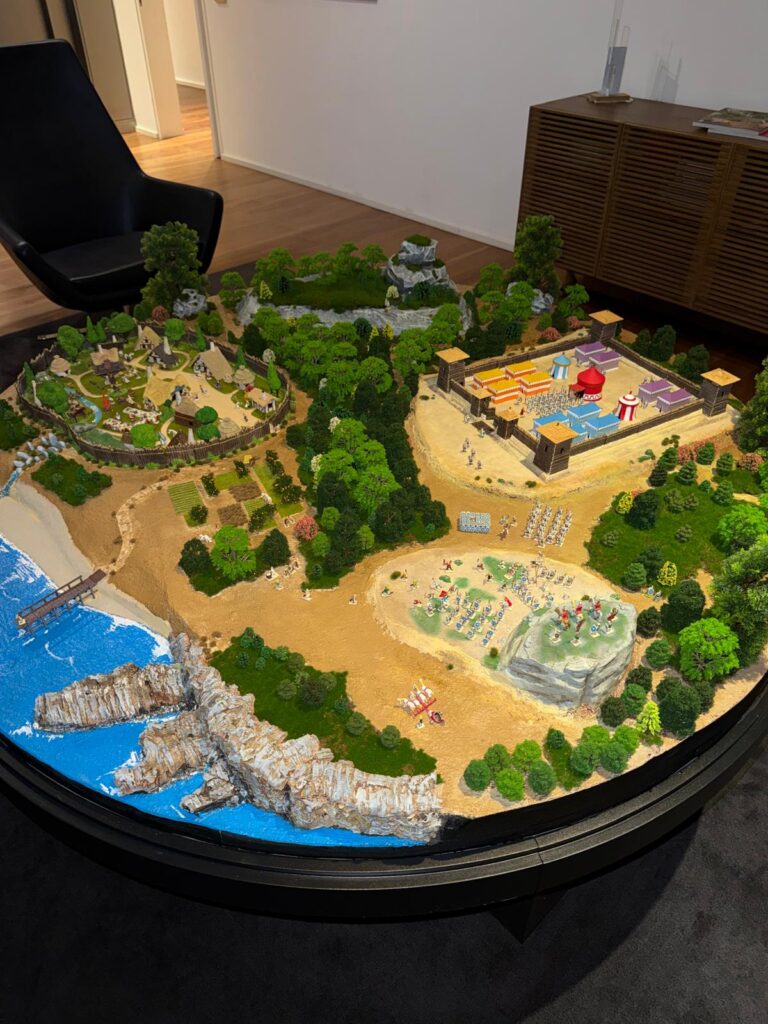
For João, the true value of any piece lies in its rarity and its sentimental meaning, rather than its purely economic worth. His most treasured flat items include the inaugural premiere issues of both Pilote and Foguetão, alongside three incredibly rare books bearing the original, authentic autographs of both Goscinny and Uderzo. In the three-dimensional space, his most prized possession is a sprawling, custom-built 1.60-meter diorama. Constructed alongside a close friend, this massive project seamlessly integrates the Atlas editions of the Gaulish village, the fortified Roman camp, and the surrounding battlefield into one immersive landscape.
Yet, the thrill of the hunt continues. His ultimate grails remain tantalizingly out of reach: the elusive Pilote #0, two latex figures famously advertised on the cover of Pilote #21 in 1960, a vintage 1968 ROX wristwatch, and the very first EDIPOSTER from that same year.
To manage this vast, growing archive without losing track, João relies on a meticulously detailed master spreadsheet, cross-referencing his inventory with digital databases like BDGest Online and MyPixi. Despite his deep, reading-based appreciation for other Franco-Belgian classics like Lucky Luke and Achille Talon, his serious collecting efforts remain strictly tethered to Asterix. He firmly believes that true collecting requires strict coherence and a predefined narrative path. Without boundaries, a collection easily devolves into infinite, financially draining hoarding. For João, the ultimate reward is not blindly accumulating thousands of random objects, but curating an intentional, meaningful exhibition that tells the remarkable story of a small Gaulish village holding out against the Roman Empire.
Are you an Asterix collector as well ?? I’d love to hear your story! If you’d like your collection to be featured on AsterixtheGaul.com, feel free to contact me—big or small, every Gaulish treasure has a tale worth sharing. Join the village!


For João Carlos, a 62-year-old lawyer residing in S. João da Madeira, Portugal, a lifelong fascination with the world of Gaulish warriors can be traced back to a single, transformative gift. In the year 1974, his older cousin handed the ten-year-old João a Portuguese translation of Asterix in Britain, promising him a magnificent read. The promise held true. Captivated by the narrative, the young João read the album nearly five times in quick succession. As he grew into adulthood, his appreciation deepened, allowing him to unlock the brilliantly crafted subtext and linguistic wordplay of writer René Goscinny. While he views the lovable Obelix as the undeniable heart and soul of the series’ finest gags, João finds it difficult to pick just one favorite story. Instead, he points to Asterix in Britain, Asterix in Corsica, Asterix the Legionary, and Asterix and Cleopatra as undisputed masterworks within the deeply cherished franchise.
What began as a steady, casual accumulation of Portuguese comic editions and scattered merchandise eventually evolved into a highly structured archiving project. The profound loss of artist Albert Uderzo served as a significant catalyst for this shift, prompting João to take a more systematic approach to his passion. This curatorial momentum reached its current monumental scope alongside contemporary releases like The White Iris and the 41st album, Asterix in Lusitania. Today, João’s meticulously curated collection is substantial, comprising approximately 500 books, expansive magazine holdings that include around 750 individual issues of Pilote hebdomadaire, and roughly 500 distinct artifacts ranging from promotional posters to merchandise. This vast inventory rests upon three foundational pillars, each representing a different facet of the Asterix phenomenon.
The first pillar centers entirely on the original literary works. Over the years, João has successfully gathered all the first French editions, spanning from the early and highly sought-after “dos blanc” Pilote runs to the classic “au menhir” editions. This literary archive also encompasses a wide array of Portuguese and Mirandese translations, exclusive luxury artbooks, and complete vintage magazine runs. Notably, this includes a complete set of the Portuguese weekly Foguetão, a publication that began serializing Asterix the Gaul in May 1961, bringing the Gaulish hero to Portuguese readers before the very first album had even debuted in France.
The second pillar is an ambitious homage to the franchise’s international merchandising explosion. João is on a relentless quest to acquire every promotional object advertised across his extensive run of 1960s French Pilote magazines. Remarkably, he is only three or four items away from completing this decades-long hunt.
The final pillar embraces the tridimensionality of the series, bringing the iconic 2D line art into the physical world through intricate figures from makers like Plastoy, PIXI, and Leblon-Delienne. Rather than keeping this extensive physical archive locked away behind closed doors, João actively shares his curatorial journey with the global community. He frequently posts beautifully detailed photographs of his roughly 500 artifacts and display setups on Facebook. By engaging with fellow enthusiasts on both his personal profile and within dedicated Asterix fan groups, he ensures the magic of his collection can be appreciated far beyond his home in Portugal.
For João, the true value of any piece lies in its rarity and its sentimental meaning, rather than its purely economic worth. His most treasured flat items include the inaugural premiere issues of both Pilote and Foguetão, alongside three incredibly rare books bearing the original, authentic autographs of both Goscinny and Uderzo. In the three-dimensional space, his most prized possession is a sprawling, custom-built 1.60-meter diorama. Constructed alongside a close friend, this massive project seamlessly integrates the Atlas editions of the Gaulish village, the fortified Roman camp, and the surrounding battlefield into one immersive landscape.
Yet, the thrill of the hunt continues. His ultimate grails remain tantalizingly out of reach: the elusive Pilote #0, two latex figures famously advertised on the cover of Pilote #21 in 1960, a vintage 1968 ROX wristwatch, and the very first EDIPOSTER from that same year.
To manage this vast, growing archive without losing track, João relies on a meticulously detailed master spreadsheet, cross-referencing his inventory with digital databases like BDGest Online and MyPixi. Despite his deep, reading-based appreciation for other Franco-Belgian classics like Lucky Luke and Achille Talon, his serious collecting efforts remain strictly tethered to Asterix. He firmly believes that true collecting requires strict coherence and a predefined narrative path. Without boundaries, a collection easily devolves into infinite, financially draining hoarding. For João, the ultimate reward is not blindly accumulating thousands of random objects, but curating an intentional, meaningful exhibition that tells the remarkable story of a small Gaulish village holding out against the Roman Empire.
Are you an Asterix collector as well ?? I’d love to hear your story! If you’d like your collection to be featured on AsterixtheGaul.com, feel free to contact me—big or small, every Gaulish treasure has a tale worth sharing. Join the village!