The Franco-Belgian Golden Age of Comics (1940–1970)

French comics, or bandes dessinées, have a long and vibrant history. On AsterixtheGaul.com, we are presenting this evolution in six periods:
- The Origins (1830–1900)
- The Birth of the Modern BD (1900–1940)
- The Franco-Belgian Golden Age (1940–1970)
- Maturity and Innovation (1970–1990)
- The Graphic Novel Era (1990–2010)
- The Contemporary Period (2010–Today)
In this article, we explore the third period, when French and Belgian comics matured into a professional, widely consumed medium, establishing the styles, magazines, and characters that would define the Franco-Belgian tradition for decades.
Comics in Wartime France

The Golden Age began during the challenging years of World War II. German occupation in France (1940–1944) imposed strict censorship, banning many foreign comics and limiting content in youth magazines.
Paradoxically, these restrictions encouraged the growth of domestic talent. French and Belgian artists had to create original stories, often using allegory and humor to circumvent censorship. Magazines like Le Journal de Spirou (founded 1938) and Tintin magazine (founded 1946 in Belgium by Raymond Leblanc) became crucial platforms for homegrown creativity.
The Rise of Iconic Styles
Two distinctive styles emerged during this period:
- Ligne Claire (Clear Line) – pioneered by Belgian artist Hergé, creator of Tintin. This style emphasized clean, precise lines, clear colors, and readability, influencing generations of artists.
- The Spirou School – characterized by dynamic movement, exaggerated expressions, and humor, developed by Jijé and later refined by André Franquin and Morris. This approach produced series such as Spirou et Fantasio, Gaston Lagaffe, and Lucky Luke.
These styles created a balance between realism and exaggeration, adventure and humor, helping establish the Franco-Belgian comic identity.
Pioneering Artists of the Era

The Golden Age nurtured the artists who would dominate European comics for decades:
- Hergé (Georges Remi): Creator of Tintin, setting standards for adventure, clarity, and global appeal.
- Jijé (Joseph Gillain): Mentor of future stars, innovated storytelling techniques and expressive linework.
- André Franquin: Refined humor and dynamic characters in Spirou et Fantasio and Gaston Lagaffe.
- Morris (Maurice de Bevere): Developed Lucky Luke, blending Western adventure with comedic timing.
- René Goscinny: Began his postwar career during this era, later co-creating Asterix and shaping narrative humor.
These artists established recurring characters, serialized adventures, and visually engaging layouts that became hallmarks of the Franco-Belgian tradition.
Magazines and Publishing Boom
The Golden Age coincided with a boom in comic magazines, which became cultural institutions. Le Journal de Spirou, Tintin, and Vaillant (later Pif Gadget) nurtured talent, offered professional standards, and reached wide audiences.
Magazines facilitated experimentation with format, page layout, and narrative complexity. They also helped standardize the “album” format: compiling serialized stories into hardcover collections, creating the classic bande dessinée album that persists today.
Pilote and the Dawn of a New Generation
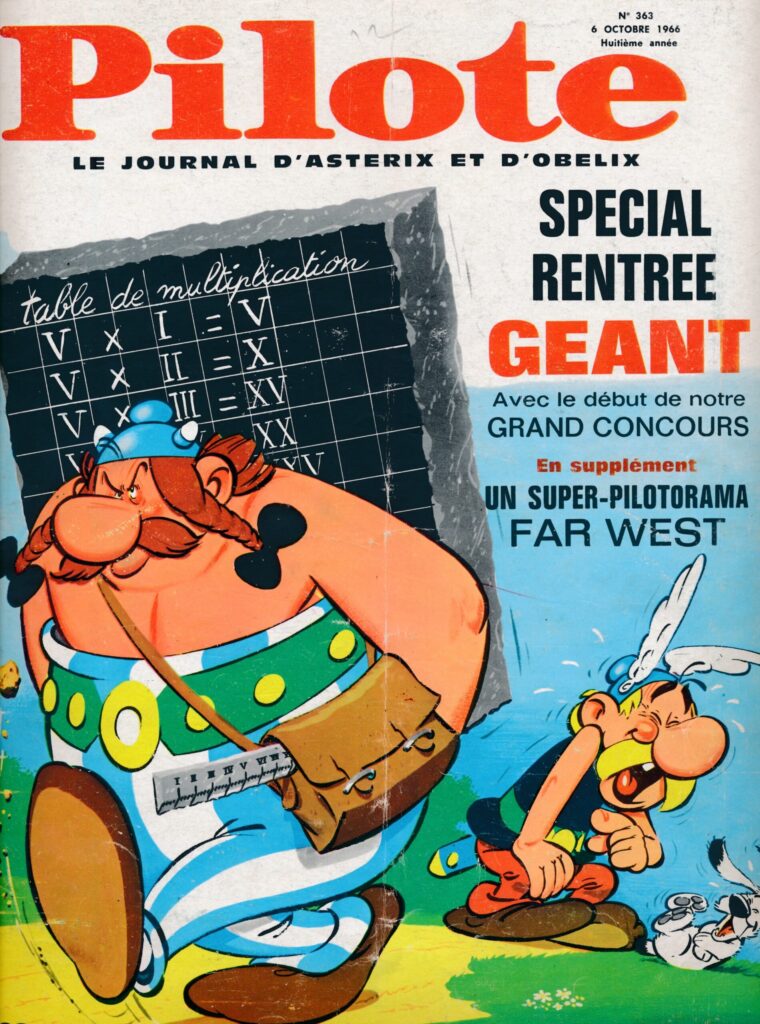
In 1959, Pilote magazine was launched by René Goscinny, Albert Uderzo, and Jean Hébrard. Designed for older children and teenagers, it quickly became a platform for innovation in storytelling, humor, and visual style. With series like Astérix (1961), Pilote bridged the Franco-Belgian Golden Age and the subsequent boom of the 1960s, inspiring a new generation of artists and readers.
Cultural and Historical Context
The period was shaped by both opportunity and constraint:
- Censorship and occupation forced originality and allegorical storytelling.
- Postwar optimism fueled adventurous, morally positive narratives.
- Technological advances in printing allowed mass production of colorful, visually appealing magazines and albums.
- Institutional support—schools, libraries, and youth associations—helped embed comics into French and Belgian culture.
This environment produced a professional comic industry with a clear aesthetic and narrative identity, laying the foundation for the worldwide success of Franco-Belgian comics.
Legacy of the Franco-Belgian Golden Age
By 1970, the Golden Age had firmly established the Franco-Belgian comic tradition. The period produced enduring characters (Tintin, Spirou et Fantasio, Lucky Luke), iconic artistic styles (ligne claire, dynamic humor), and a publishing ecosystem capable of sustaining a professional industry.
The Franco-Belgian Golden Age set the stage for the next phase: Maturity and Innovation (1970–1990), when artists would expand into adult themes, graphic experimentation, and new storytelling approaches.
Continue reading: History of French Comics: Part 4


The Franco-Belgian Golden Age of Comics (1940–1970)
French comics, or bandes dessinées, have a long and vibrant history. On AsterixtheGaul.com, we are presenting this evolution in six periods:
- The Origins (1830–1900)
- The Birth of the Modern BD (1900–1940)
- The Franco-Belgian Golden Age (1940–1970)
- Maturity and Innovation (1970–1990)
- The Graphic Novel Era (1990–2010)
- The Contemporary Period (2010–Today)
In this article, we explore the third period, when French and Belgian comics matured into a professional, widely consumed medium, establishing the styles, magazines, and characters that would define the Franco-Belgian tradition for decades.
Comics in Wartime France
The Golden Age began during the challenging years of World War II. German occupation in France (1940–1944) imposed strict censorship, banning many foreign comics and limiting content in youth magazines.
Paradoxically, these restrictions encouraged the growth of domestic talent. French and Belgian artists had to create original stories, often using allegory and humor to circumvent censorship. Magazines like Le Journal de Spirou (founded 1938) and Tintin magazine (founded 1946 in Belgium by Raymond Leblanc) became crucial platforms for homegrown creativity.
The Rise of Iconic Styles
Two distinctive styles emerged during this period:
- Ligne Claire (Clear Line) – pioneered by Belgian artist Hergé, creator of Tintin. This style emphasized clean, precise lines, clear colors, and readability, influencing generations of artists.
- The Spirou School – characterized by dynamic movement, exaggerated expressions, and humor, developed by Jijé and later refined by André Franquin and Morris. This approach produced series such as Spirou et Fantasio, Gaston Lagaffe, and Lucky Luke.
These styles created a balance between realism and exaggeration, adventure and humor, helping establish the Franco-Belgian comic identity.
Pioneering Artists of the Era
The Golden Age nurtured the artists who would dominate European comics for decades:
- Hergé (Georges Remi): Creator of Tintin, setting standards for adventure, clarity, and global appeal.
- Jijé (Joseph Gillain): Mentor of future stars, innovated storytelling techniques and expressive linework.
- André Franquin: Refined humor and dynamic characters in Spirou et Fantasio and Gaston Lagaffe.
- Morris (Maurice de Bevere): Developed Lucky Luke, blending Western adventure with comedic timing.
- René Goscinny: Began his postwar career during this era, later co-creating Asterix and shaping narrative humor.
These artists established recurring characters, serialized adventures, and visually engaging layouts that became hallmarks of the Franco-Belgian tradition.
Magazines and Publishing Boom
The Golden Age coincided with a boom in comic magazines, which became cultural institutions. Le Journal de Spirou, Tintin, and Vaillant (later Pif Gadget) nurtured talent, offered professional standards, and reached wide audiences.
Magazines facilitated experimentation with format, page layout, and narrative complexity. They also helped standardize the “album” format: compiling serialized stories into hardcover collections, creating the classic bande dessinée album that persists today.
Pilote and the Dawn of a New Generation
In 1959, Pilote magazine was launched by René Goscinny, Albert Uderzo, and Jean Hébrard. Designed for older children and teenagers, it quickly became a platform for innovation in storytelling, humor, and visual style. With series like Astérix (1961), Pilote bridged the Franco-Belgian Golden Age and the subsequent boom of the 1960s, inspiring a new generation of artists and readers.
Cultural and Historical Context
The period was shaped by both opportunity and constraint:
- Censorship and occupation forced originality and allegorical storytelling.
- Postwar optimism fueled adventurous, morally positive narratives.
- Technological advances in printing allowed mass production of colorful, visually appealing magazines and albums.
- Institutional support—schools, libraries, and youth associations—helped embed comics into French and Belgian culture.
This environment produced a professional comic industry with a clear aesthetic and narrative identity, laying the foundation for the worldwide success of Franco-Belgian comics.
Legacy of the Franco-Belgian Golden Age
By 1970, the Golden Age had firmly established the Franco-Belgian comic tradition. The period produced enduring characters (Tintin, Spirou et Fantasio, Lucky Luke), iconic artistic styles (ligne claire, dynamic humor), and a publishing ecosystem capable of sustaining a professional industry.
The Franco-Belgian Golden Age set the stage for the next phase: Maturity and Innovation (1970–1990), when artists would expand into adult themes, graphic experimentation, and new storytelling approaches.
Continue reading: History of French Comics: Part 4